Foreng

Flat Top.

Smart Netting. Superior Harvests.

Flat top net structures are engineered enclosure frameworks featuring a horizontal overhead cable-and-post grid covered with protective high-density netting. They are widely used in agriculture, commercial horticulture, orchards, nurseries, and aquaculture.

Unlike traditional arched (hoop) or pitched-roof greenhouses, flat top structures maintain a uniform horizontal height across the entire covered area.

Fully closed flat-top systems excel for crops where minor visual blemishes (wind rub, sunburn, pest bites) severely reduce pack-out percentage.

Prevents wind scar on delicate skins and keeps pollinators out when seedless varieties require isolation.

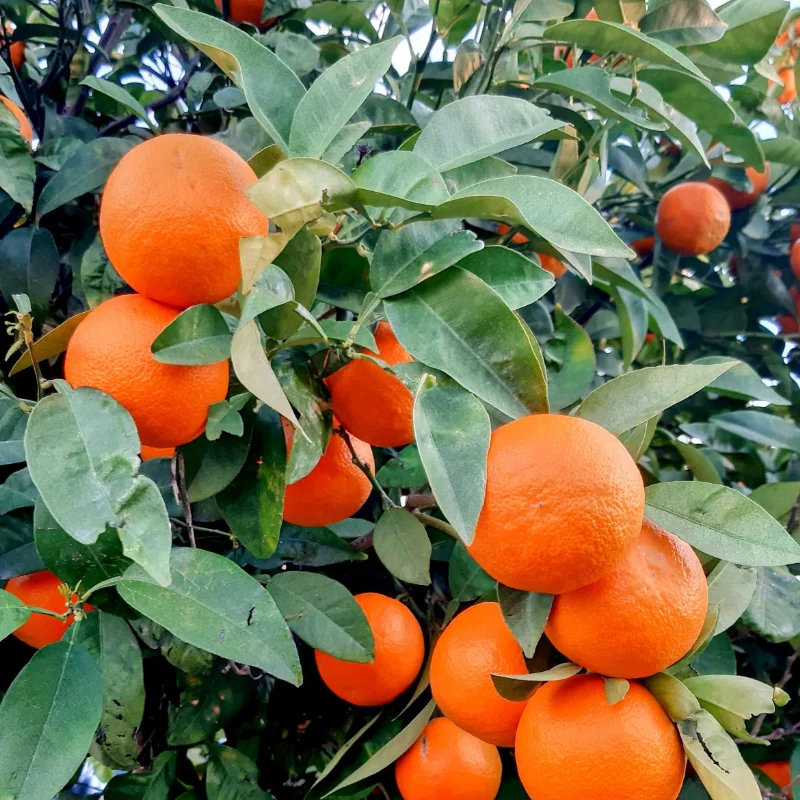
Diffuses intense summer light to prevent skin cracking and sunburn while shielding against hail.

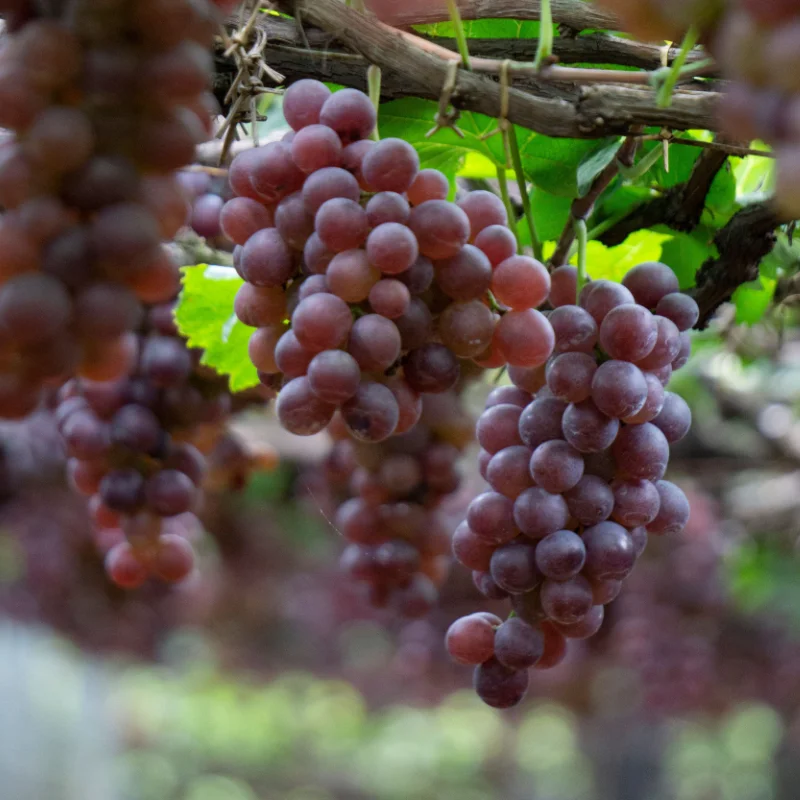
Protects tender bunches from wind burn, bird damage, and direct sun scorch before harvesting.

Engineered for the Elements. Built for Your Yield.

Provides a stable microclimate with higher humidity and protection from extreme temperature spikes.

High-Wind and Hail Resistance

Flat top structures distribute structural tension across a grid of perimeter cables and heavy-duty corner anchors. This structural framework allows the net to flex uniformly under wind loads.

Maximizes Usable Overhead Clearance

Unlike a pitched canopy systems, a flat top design maintains consistent, full-height clearance across the entire protected area. This makes operating heavy equipment—such as tractors, multi-row sprayers, and harvesting machinery—substantially safer and easier right up to the block edges.

Superior Microclimate and Uniformity

Because the roof is level, heat and light distribution remain uniform across every single row. This eliminates the microclimate hot spots and shadow gradients often created by peaked or angled netting, resulting in even crop ripening, consistent fruit colour, and uniform growth.

Bird and Insect Barrier

Side nets on a flat top system seal and protect high-value crops from pests and serves as an effective barrier, reducing the need for chemical spray applications.

Evapotranspiration and Water Efficiency

A flat top system helps reduce wind speeds and direct sunlight, cutting crop evapotranspiration rates by significantly. This in turn, helps fruit growers maintain soil moisture consistency during fruit swell.

Ideal For.

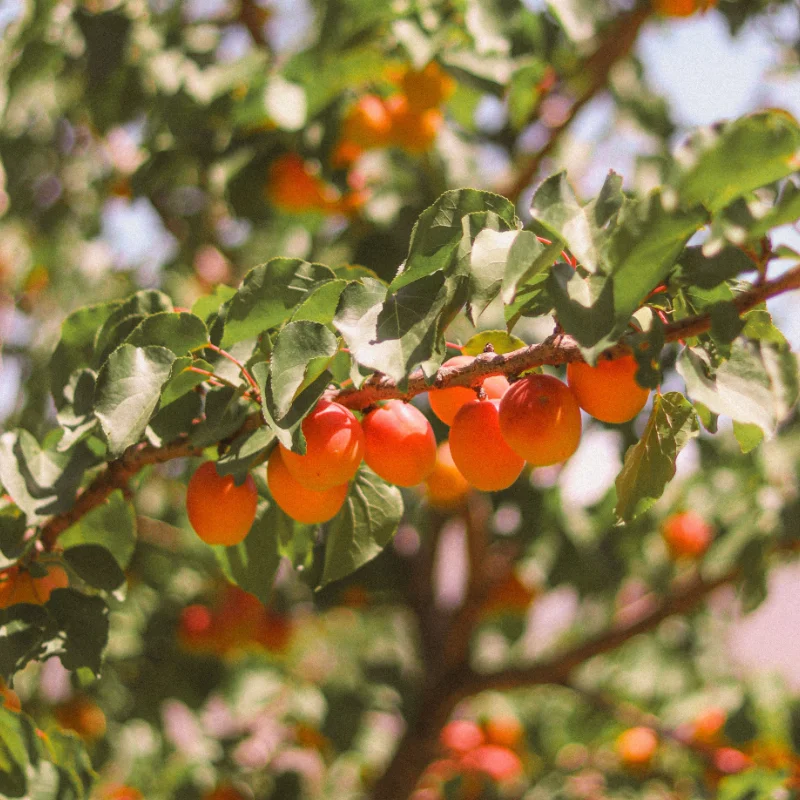
Pome & Stone Fruit

Citrus

Table Grapes

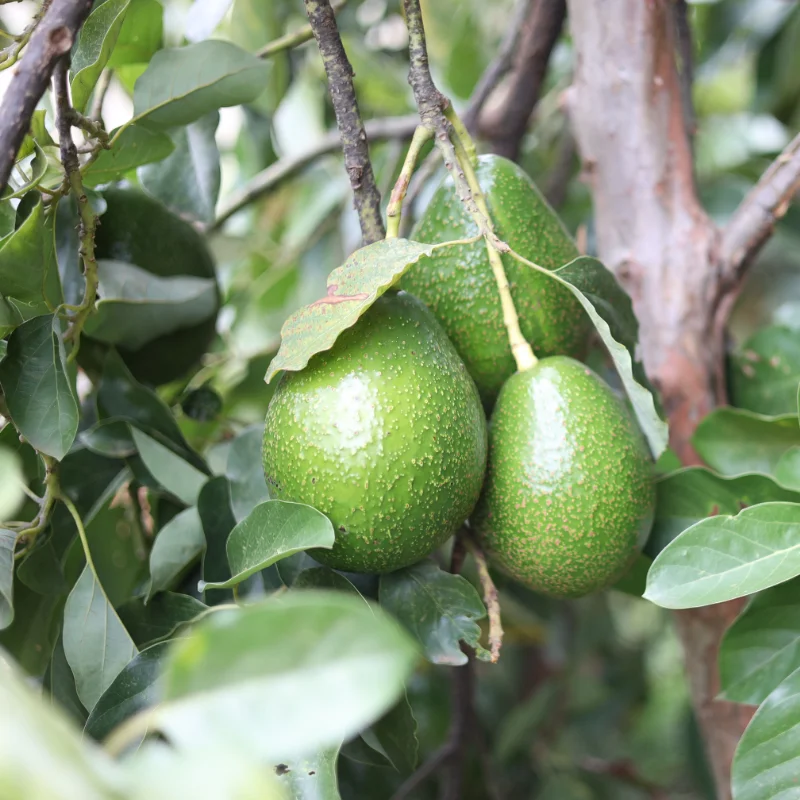
Berries and Avos

FAQ's.

Creating a continuous horizontal plane of protective netting suspended over an entire orchard block.

Unlike pitched V-nets or row-by-row systems, the flat top design elevates the entire canopy above the tree tops, treating the orchard as a single protected indoor-like environment.

Consistent Light Distribution: A flat overhead plane produces a highly uniform light diffusion across the entire orchard canopy.

Pome fruit (especially blush apple varieties like Cripps Pink / Honeycrisp) and stone fruit require even UV light for uniform skin coloration without hot-spot scorching. Flat top netting diffuses direct radiation evenly across every row, reducing sunburn cull rates.

Evapotranspiration Drop: By cutting wind velocity and direct thermal stress, flat top netting lowers orchard evapotranspiration demand by 10–15%. This translates to significant irrigation water savings during crucial post-bloom and pre-harvest swelling phases in warm growing regions.

Let’s protect your harvest. Contact Foreng today .